DOaaS — DevOps-as-a-Service

DOaaS — DevOps-as-a-Service Emotional support for your CI/CD pipeline. A public API at doaas.dev that serves witty, on-brand one-liners for blame, motivation, incidents, standups, and more—designed for terminal greetings, Slack bots, GitHub Actions, and badges. One API, zero seriousness, infinite DevOps one-liners. Because production is pain, and pain deserves an API. What Problem Does This Solve? Production is hard. On-call, red pipelines, and “did you try rebooting?” get old. DOaaS is a single API for levity—no meetings, no standup bingo, just one curl. Teams need release valves. Standup icebreakers, blame deflection, status pages, Slack bots—instant mood shift, same endpoint. DevOps doesn’t have to be grim. Less corporate jargon, more wit. Less “oh no,” more “okay, we got this.” Features RESTful API — /help, /random, and 20+ endpoints (/blame, /motivate, /incident, /excuse, /deploy, /rollback, /lgtm, /standup, /meeting, /policy, /audit, /compliance, /risk, and more). Query parameters — format=json|text|shields and mode=normal|chaos|corporate|security|wholesome|toxic|sarcastic|devops (per-endpoint). Shields.io endpoint badge — Dynamic README badges via format=shields and optional style, label, color, labelColor. Secure-by-default — Cache-Control: no-store, CORS scoped to GET/OPTIONS, dependency audits and CodeQL in CI, documented SECURITY.md and private disclosure. Observability — Cloudflare Workers logs and invocation sampling enabled for production debugging. Quick Start # Random (chaos mode) curl -s "https://doaas.dev/random?mode=chaos&format=text" # Blame, motivate, and more curl -s "https://doaas.dev/blame?format=text" curl -s "https://doaas.dev/motivate?format=text" curl -s "https://doaas.dev/help" Live demo: doaas.dev/help · Try random: doaas.dev/random?format=text ...

February 17, 2026 · 3 min · Sammy Farida ·  · 

Building Workforce Security Guardrails Without Slowing Engineers

Building Workforce Security Guardrails Without Slowing Engineers When workforce security depends on humans saying yes or no to every access request, it doesn’t scale — it collapses. Approval queues balloon, context gets lost, and engineers either wait or work around controls. The result is the same: more risk, not less. This post is a practical, architecture-focused look at how to design guardrails instead of gates — so security becomes part of the system, not a bottleneck. ...

February 1, 2026 · 6 min · Sammy Farida ·  · 

MCP SSH Orchestrator

MCP SSH Orchestrator Zero-Trust SSH Orchestration for AI Assistants. Enforce declarative policy-as-code and audited access for Claude Desktop, Cursor, and any MCP-aware client. Launch in minutes with Docker + MCP tooling, deny-by-default controls, and hardened SSH key management. What Problem Does This Solve? Imagine this: Your AI assistant (Claude, ChatGPT, etc.) can access your servers, but you’re terrified of what it might do. rm -rf /? Delete your databases? Change firewall rules? ...

November 24, 2025 · 4 min · Sammy Farida ·  · 

Secure Bash for macOS

Secure Bash for macOS A practical, hands-on scripting guide for administrators and security engineers who want to master Bash on macOS. Master Bash scripting on macOS—from fundamentals to enterprise automation. This comprehensive ebook teaches you how to write secure, efficient Bash scripts specifically tailored for macOS. Whether you’re an IT administrator managing thousands of devices, a security engineer hardening endpoints, or a power user automating your workflow, this book provides practical, real-world examples you can use immediately. ...

October 10, 2025 · 3 min · Sammy Farida ·  · 

The Fatal .env Files Breach

The Fatal .env Files Breach: How 230 Million AWS Environments Were Compromised In early 2024, the cloud security community was rocked by one of the largest and most concerning breaches in recent history. Attackers systematically compromised over 230 million AWS environments by exploiting a deceptively simple vulnerability: publicly exposed .env configuration files containing sensitive credentials. What made this breach particularly alarming wasn’t sophisticated zero-day exploits or advanced persistent threat techniques, but rather how attackers leveraged basic security architecture flaws to devastating effect. ...

September 28, 2025 · 7 min · Sammy Farida ·  · 

The Secret Weapon of Security Code Reviews

The Secret Weapon of Security Code Reviews In analyzing major breaches over the past year, a striking pattern emerges: 4 out of 5 major security incidents could have been prevented with proper security code reviews. While the cybersecurity industry chases the latest EDR tools, threat intelligence platforms, and zero-day vulnerability scanners, we’re collectively overlooking one of the most foundational security controls—manual security code reviews. Tip: A hybrid approach is highly effective—automated tools catch repetitive or technical issues efficiently, while manual reviews excel at evaluating logic, architecture, and business context.(aikido.dev) ...

September 3, 2025 · 9 min · Sammy Farida ·  · 

The Hidden Cost of Bad Data Classification

The Hidden Cost of Bad Data Classification In the world of cybersecurity, millions are spent on sophisticated tools and controls to protect sensitive data. Yet these investments frequently underperform for one fundamental reason, organizations cannot properly classify what they’re trying to protect. Data classification serves as the foundation upon which all security decisions are built, yet it’s often reduced to a mere compliance checkbox. As a component of the Asset Security domain in CISSP frameworks, data classification represents the critical first step in determining how resources should be allocated to protect information. When done poorly, it creates a dangerous disconnect between security efforts and business reality - leading to either wasteful overprotection or dangerous under protection of critical assets. ...

August 24, 2025 · 9 min · Sammy Farida ·  · 

The PAW Architecture Blueprint

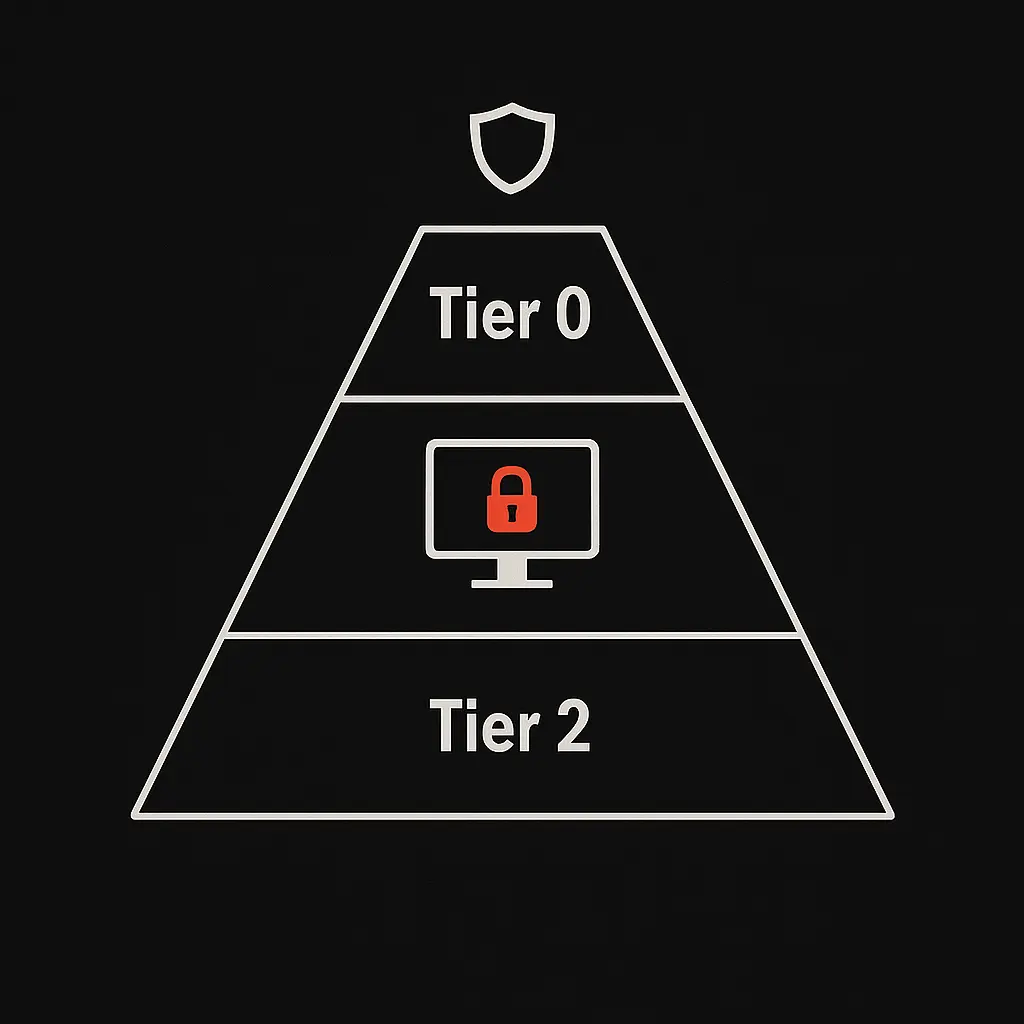
Recent history is littered with high-profile security breaches that share a common, devastating attack vector: the compromise of privileged credentials. Incidents involving Microsoft’s Midnight Blizzard, Snowflake, and Okta’s support system all underscore how attackers target administrative accounts to gain deep, unauthorized access. One architectural decision could have mitigated, or even prevented, a significant percentage of these attacks: the implementation of Privileged Access Workstations (PAWs). PAWs are dedicated, hardened machines used exclusively for sensitive administrative tasks. This model creates a critical “air gap” between high-risk daily activities (like checking email or browsing the web) and the management of critical infrastructure. By isolating privileged sessions, organizations can drastically reduce the attack surface and prevent credential theft, a foundational tactic for lateral movement within a network. This post breaks down the PAW model and its relevance in a modern Zero Trust world. ...

August 19, 2025 · 8 min · Sammy Farida ·  · 

Microsoft's Zero Trust Transformation: A Case Study

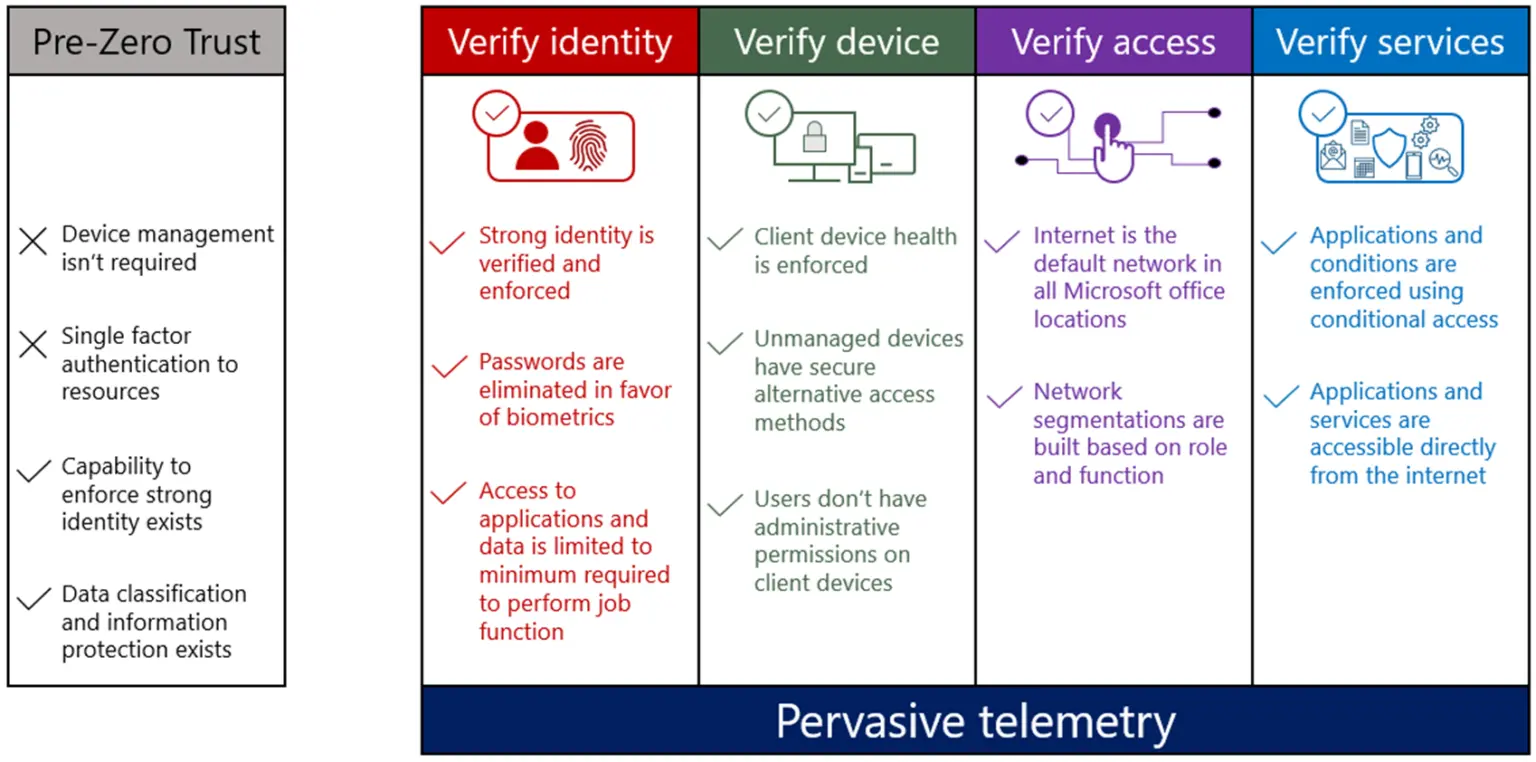
The traditional castle-and-moat approach to network security is failing. For decades, organizations relied on a strong perimeter to keep attackers out, but in an era of cloud computing, remote work, and sophisticated threats, this model is no longer sufficient. Once an attacker breaches the perimeter, they often have free rein to move laterally and access sensitive data. This is where the Zero Trust model comes in—a security framework built on the principle of “never trust, always verify.” ...

August 11, 2025 · 5 min · Sammy Farida ·  · 

The Microsegmentation Imperative

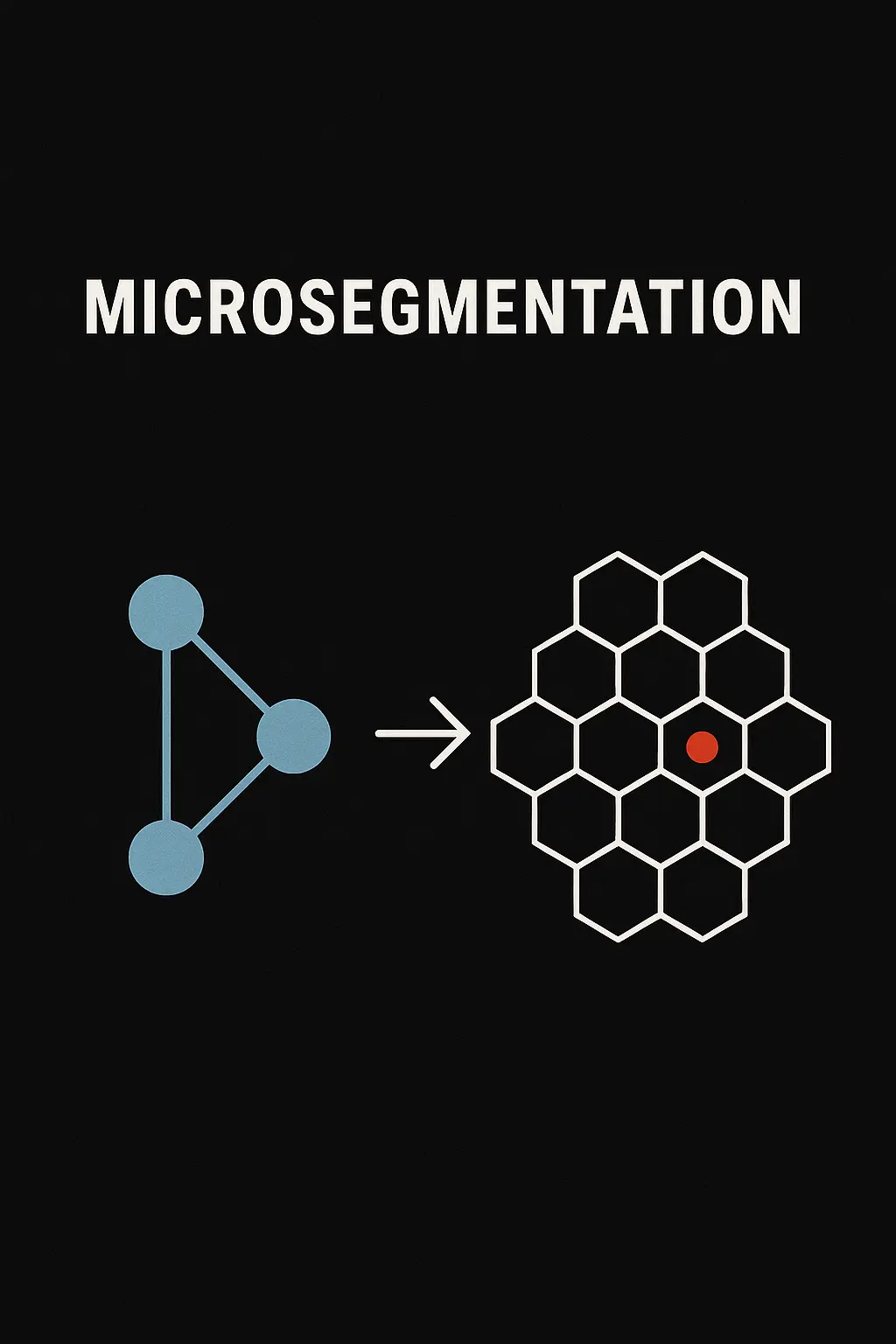
In the ever-evolving landscape of cybersecurity, one of the most persistent challenges is containing an attacker after the initial breach. The headlines are filled with stories of minor intrusions escalating into catastrophic data breaches. The common thread? Unfettered lateral movement. While many organizations have robust perimeter defenses, a shocking 95% are missing a critical internal control: microsegmentation. This isn’t just another buzzword; it’s a fundamental shift in how we approach network security and a cornerstone of any effective Zero Trust architecture. As part of the CISSP’s Communication and Network Security domain, understanding and implementing microsegmentation is no longer optional, it’s an imperative for survival in the modern threat environment. ...

August 7, 2025 · 5 min · Sammy Farida ·  ·