SolarWinds: Supply Chain Trust Betrayal

SolarWinds: The Supply Chain Attack That Rewrote Trust In December 2020, cybersecurity professionals worldwide faced a sobering reality: one of the most sophisticated supply chain attacks ever seen had been silently compromising organizations for months. The SolarWinds breach wasn’t just another headline, it represented a fundamental shift in how we must think about security architecture and trust relationships in the software supply chain. The attack revealed a devastating vulnerability in how organizations implicitly trust software from vendors, particularly updates and patches. By poisoning legitimate software at its source, attackers bypassed traditional defenses and gained privileged access to thousands of organizations, including multiple U.S. government agencies and Fortune 500 companies. This incident forces us to reconsider our security architecture principles for an era where trust itself has become weaponized. ...
August 26, 2025 · 8 min · Sammy Farida ·  · 

NIST CSF 2.0: An Architectural Revolution

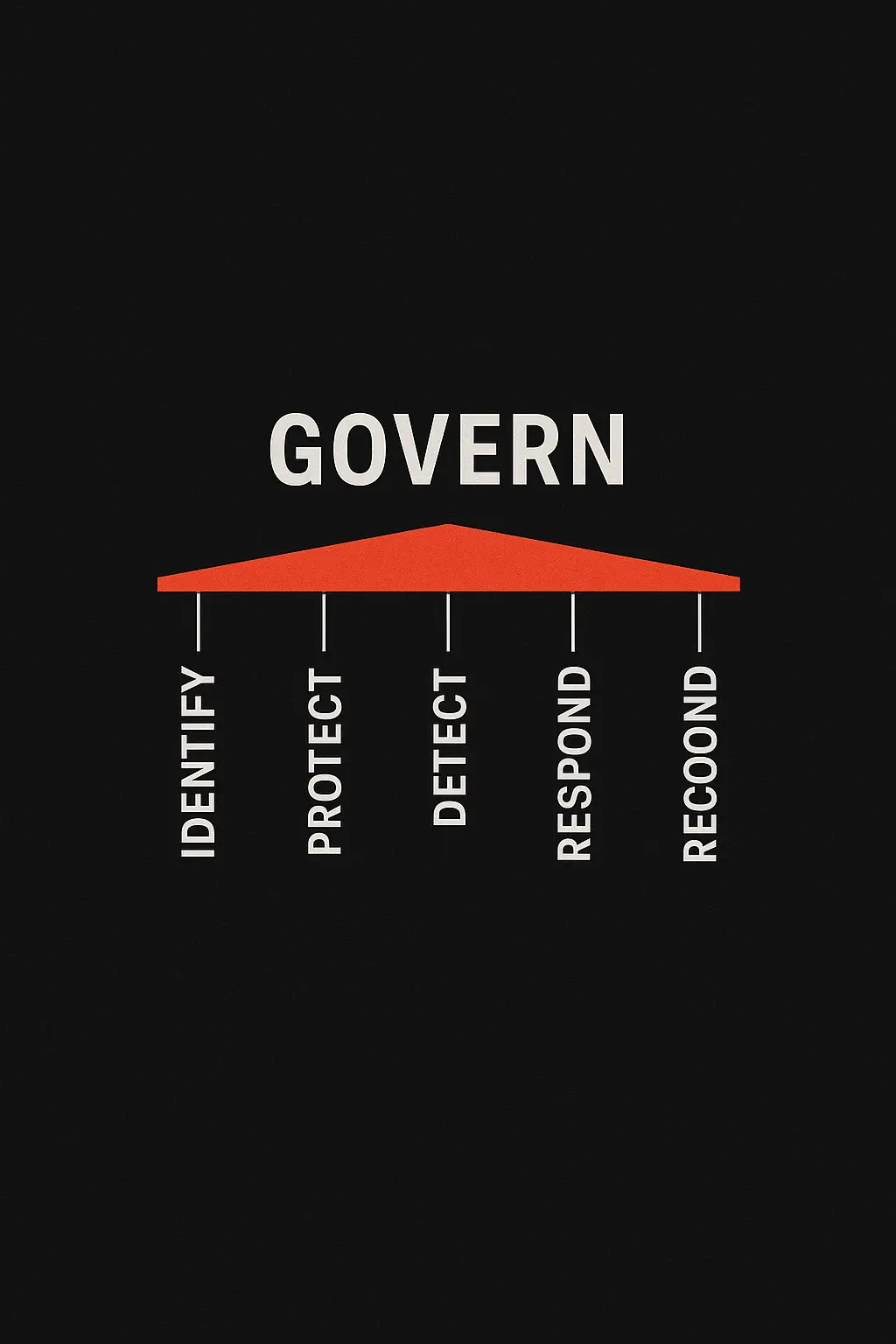
In February 2024, the National Institute of Standards and Technology (NIST) released the Cybersecurity Framework (CSF) 2.0. While it may have seemed like an incremental update to some, this new version introduces a monumental shift that fundamentally changes how we should design and build security programs. The most critical change is the addition of a sixth core function: Govern. This isn’t just a new category for compliance checklists; it’s an architectural revolution. By elevating governance to the same level as the original five functions—Identify, Protect, Detect, Respond, and Recover—NIST has formally acknowledged a truth that many security architects have known for years: technical controls alone are insufficient. Without a robust framework of governance, our security efforts lack direction, authority, and strategic alignment. ...

August 6, 2025 · 5 min · Sammy Farida ·  ·