From Blind Spots to Insights: The CDM Revolution

From Blind Spots to Insights: The CDM Revolution In the complex world of cybersecurity, traditional point-in-time security assessments have become dangerously insufficient. Organizations receive a “clean bill of health” that offers false comfort right up until the inevitable breach occurs. The harsh reality? These breaches often exploit vulnerabilities that existed during the last assessment that gave the all-clear. Continuous Diagnostics and Mitigation (CDM) is emerging as the solution to this fundamental flaw in our security approach. By shifting from intermittent testing to constant visibility, CDM aligns with NIST frameworks to provide actionable insights in real-time, preventing the most common enterprise security blind spots that lead to devastating breaches. ...

September 19, 2025 · 8 min · Sammy Farida ·  · 

The 15-Minute Incident Response Playbook (Based on NIST)

The 15-Minute Incident Response Playbook In the high-pressure world of cybersecurity, complexity is your enemy. When a security incident strikes, the last thing your team needs is a 70-page incident response plan that causes analysis paralysis. Yet this is precisely the scenario playing out in organizations worldwide – comprehensive documentation that looks impressive during audits but proves unusable during actual crises. This post offers a practical alternative: a streamlined, 15-minute incident response playbook that focuses on essentials while adhering to the trusted NIST framework. The goal is simple: create a playbook that security teams will actually use when seconds count. ...

August 20, 2025 · 6 min · Sammy Farida ·  · 

NIST CSF 2.0: An Architectural Revolution

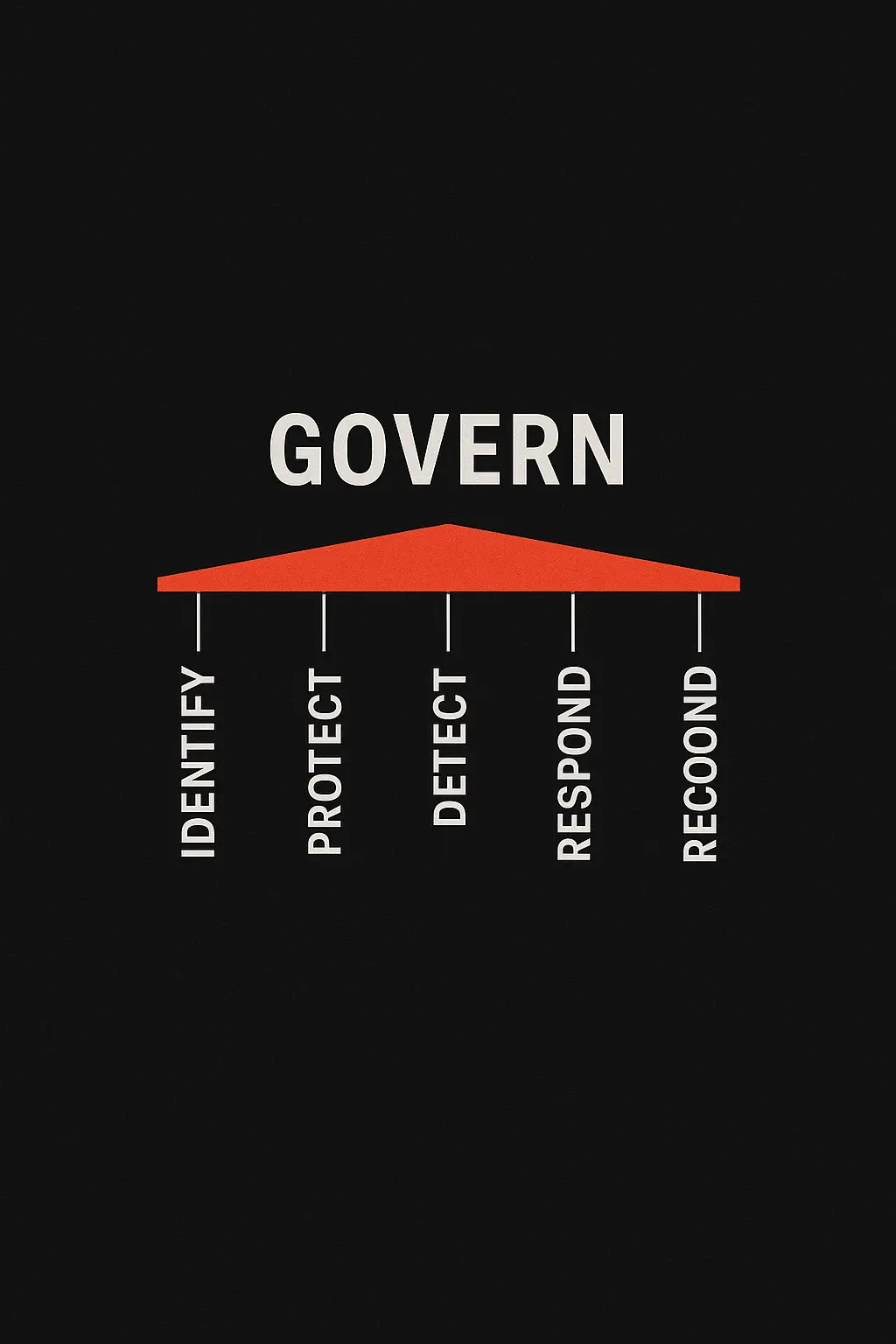
In February 2024, the National Institute of Standards and Technology (NIST) released the Cybersecurity Framework (CSF) 2.0. While it may have seemed like an incremental update to some, this new version introduces a monumental shift that fundamentally changes how we should design and build security programs. The most critical change is the addition of a sixth core function: Govern. This isn’t just a new category for compliance checklists; it’s an architectural revolution. By elevating governance to the same level as the original five functions—Identify, Protect, Detect, Respond, and Recover—NIST has formally acknowledged a truth that many security architects have known for years: technical controls alone are insufficient. Without a robust framework of governance, our security efforts lack direction, authority, and strategic alignment. ...

August 6, 2025 · 5 min · Sammy Farida ·  · 

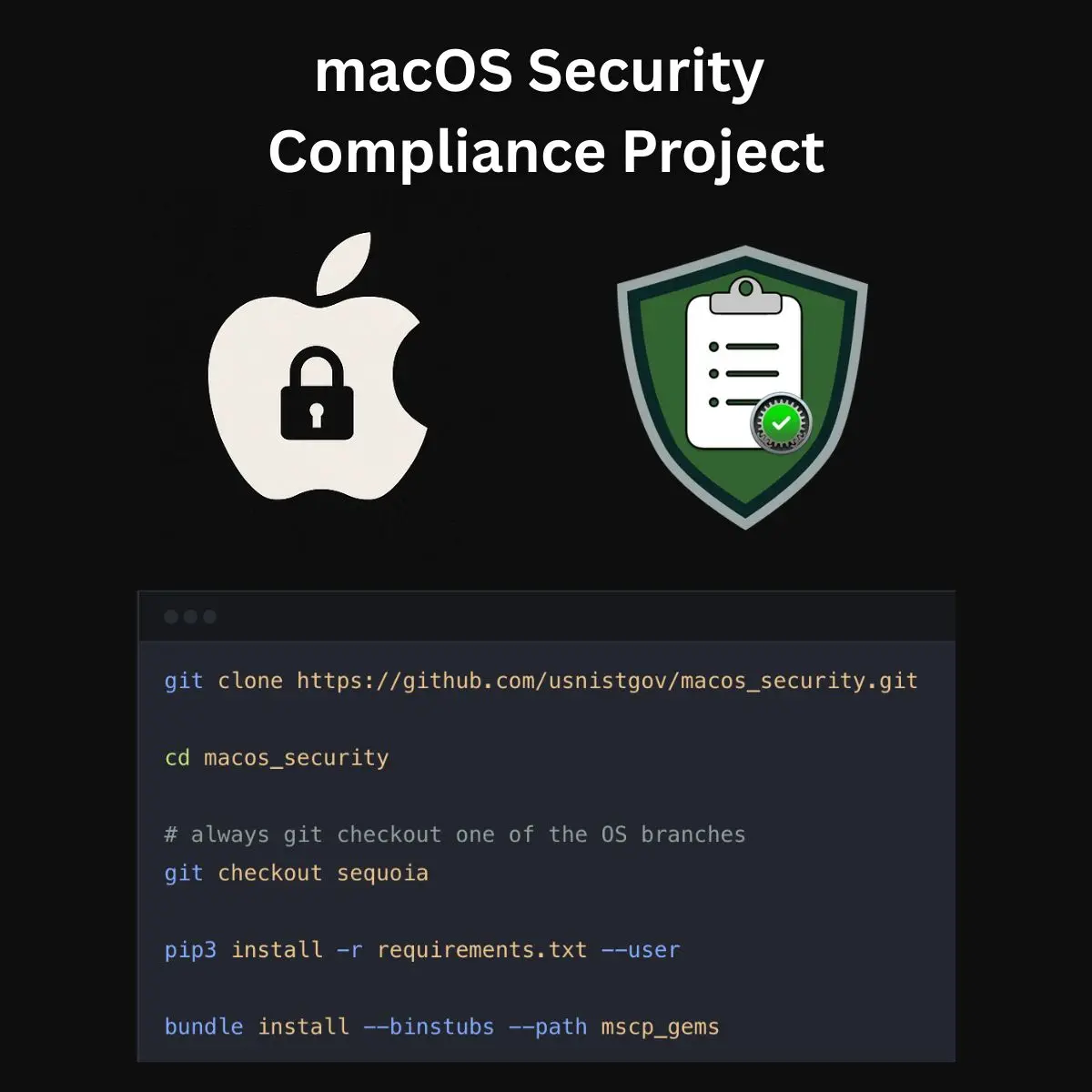
macOS Security Hardening for Enterprise

As Apple devices become increasingly common in corporate environments, security teams are faced with a significant challenge: how do you systematically harden macOS without hindering productivity? Many organizations make the mistake of applying a Windows-centric security mindset to Macs, which often leads to critical security gaps and frustrated users who find their workflows disrupted. This approach fails to address the unique attack surfaces of macOS while over-restricting other areas. The key to effective Mac security is implementing consistent, compliant, and user-friendly policies that work in a production environment. Fortunately, there’s a powerful, open-source framework designed for this exact purpose: the macOS Security Compliance Project (mSCP). This tool is revolutionizing how organizations secure their Apple fleets by automating the creation and validation of security baselines. ...

August 1, 2025 · 4 min · Sammy Farida ·  ·