The PAW Architecture Blueprint
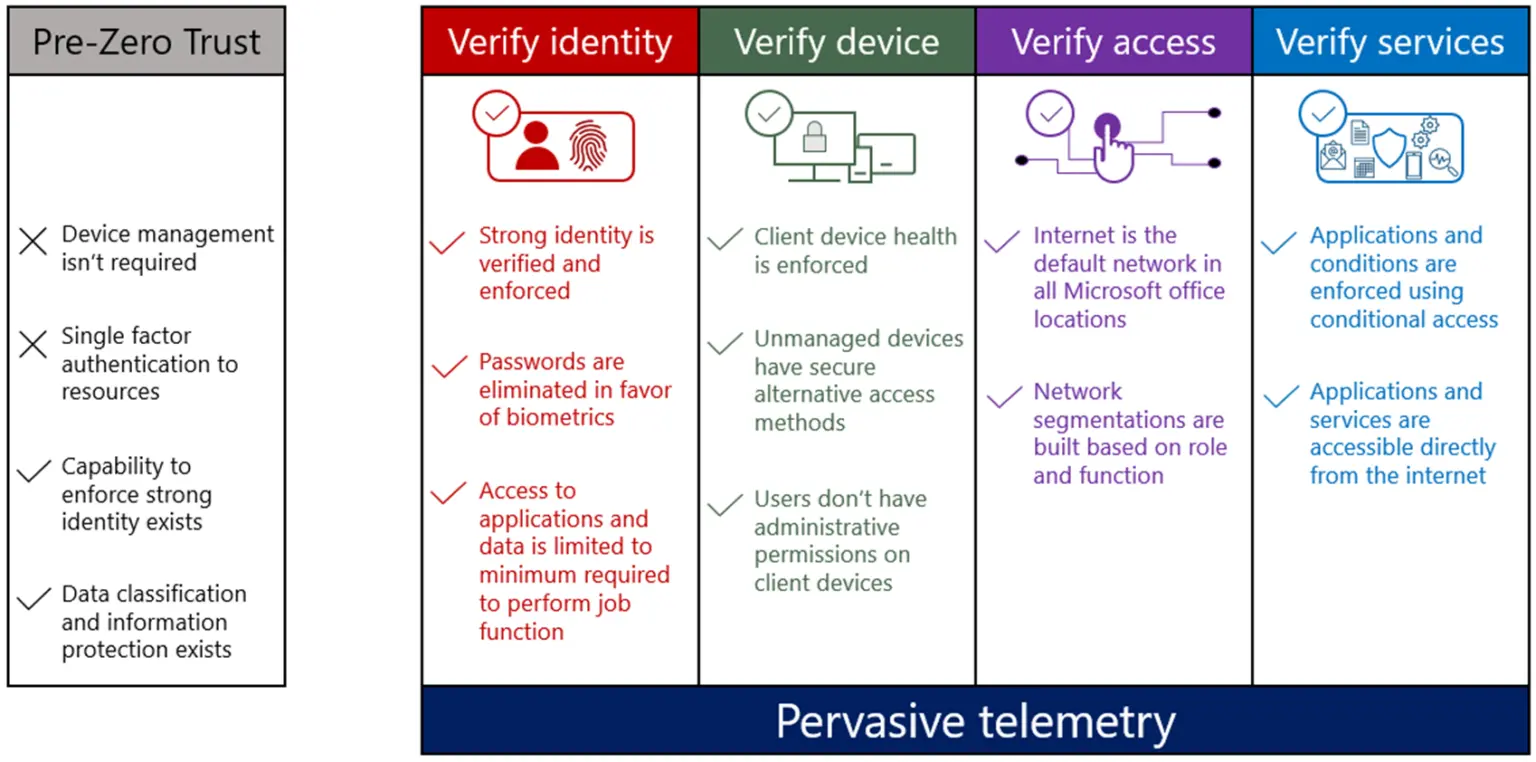
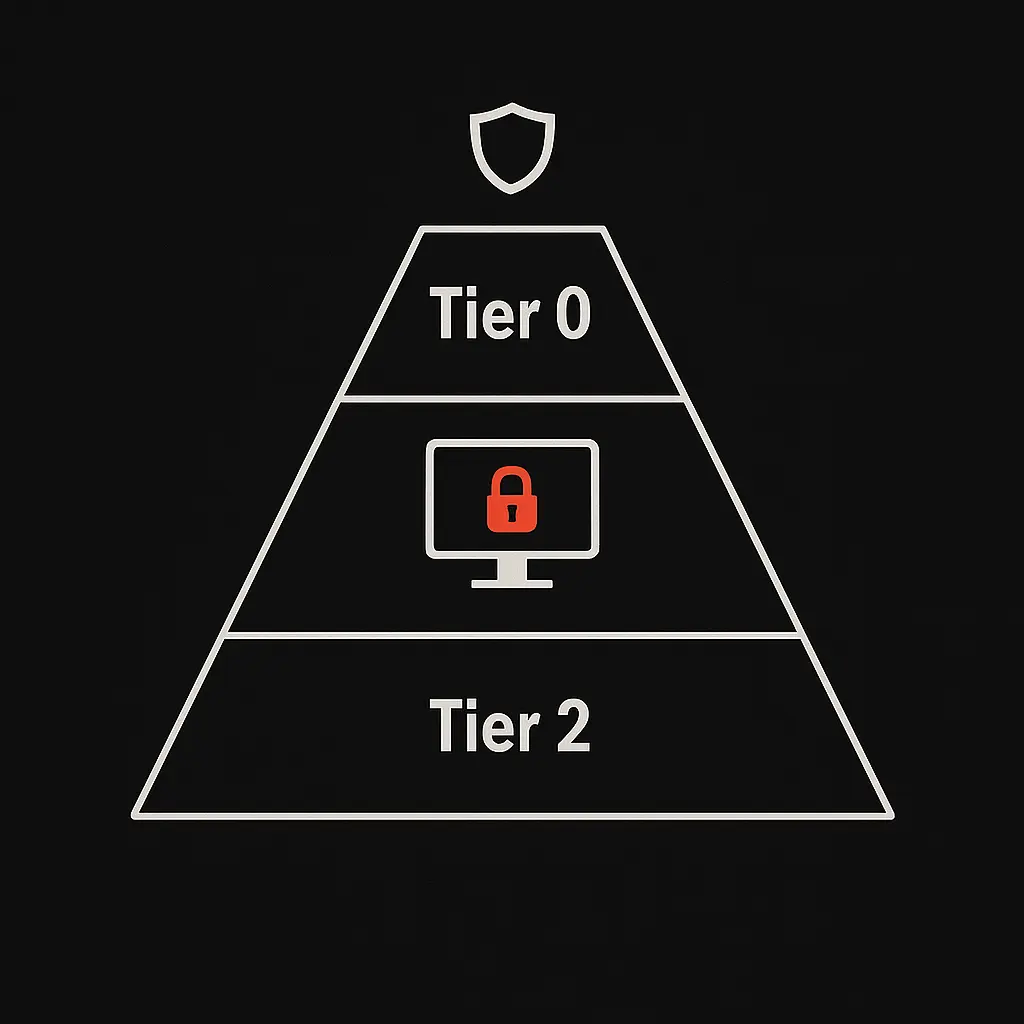
Recent history is littered with high-profile security breaches that share a common, devastating attack vector: the compromise of privileged credentials. Incidents involving Microsoft’s Midnight Blizzard, Snowflake, and Okta’s support system all underscore how attackers target administrative accounts to gain deep, unauthorized access. One architectural decision could have mitigated, or even prevented, a significant percentage of these attacks: the implementation of Privileged Access Workstations (PAWs). PAWs are dedicated, hardened machines used exclusively for sensitive administrative tasks. This model creates a critical “air gap” between high-risk daily activities (like checking email or browsing the web) and the management of critical infrastructure. By isolating privileged sessions, organizations can drastically reduce the attack surface and prevent credential theft, a foundational tactic for lateral movement within a network. This post breaks down the PAW model and its relevance in a modern Zero Trust world. ...