MITRE D3FEND: Bridging Attack & Defense

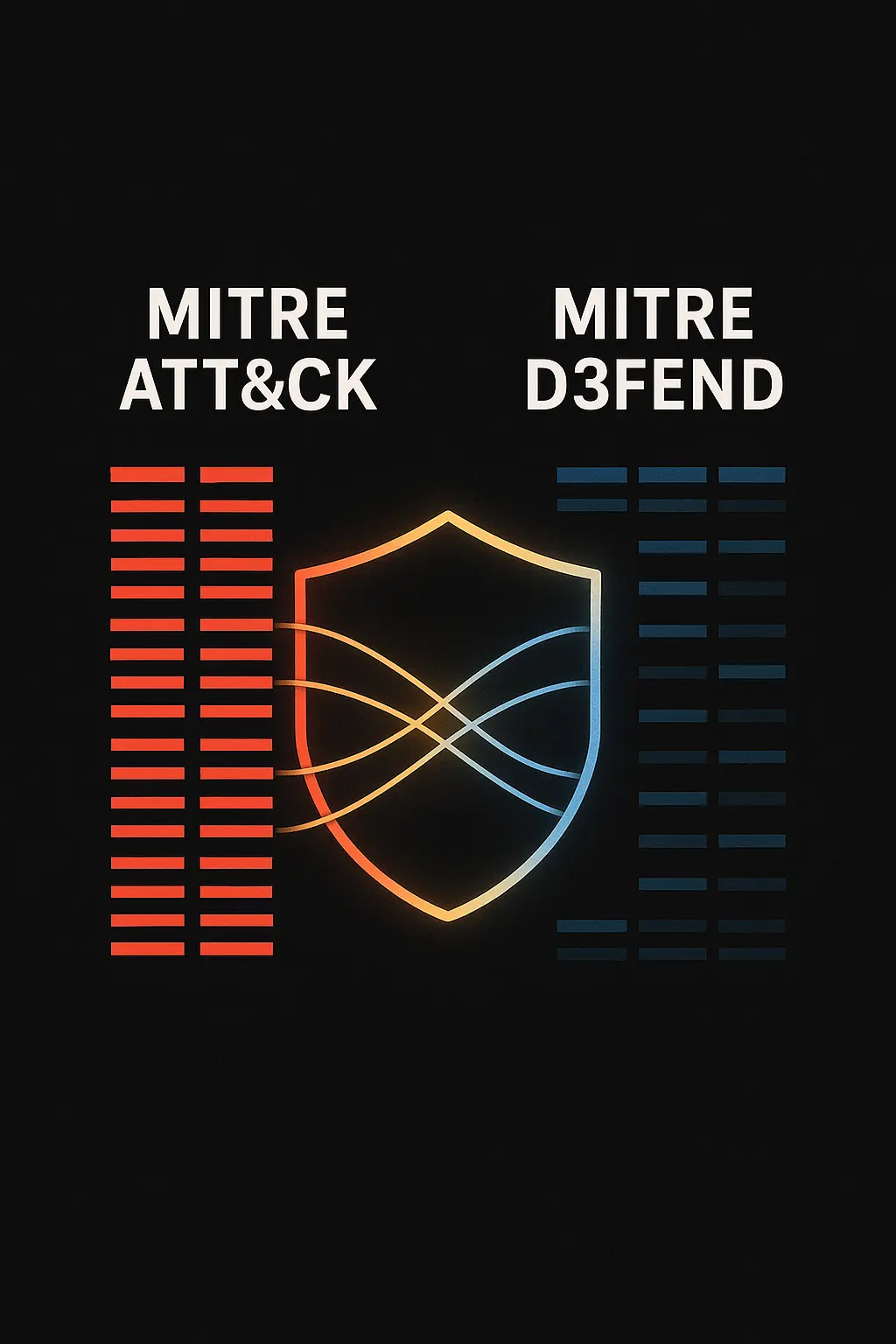
In the world of cybersecurity, the MITRE ATT&CK framework is a household name. It provides an extensive, curated knowledge base of adversary tactics and techniques based on real-world observations. Blue teams and security architects use it to understand how attackers operate, build threat models, and guide their detection strategies. But there’s a critical question that ATT&CK helps you ask, but doesn’t explicitly answer: “We’ve detected this technique… now what?” This is where many security teams hit a wall. They have impressive detection capabilities and can identify adversary behavior with precision, but they struggle to connect those detections to concrete, effective defensive actions. This is the gap that MITRE D3FEND was created to fill. It’s the defensive counterpart to ATT&CK, designed to close the loop between threat identification and mitigation. ...


August 11, 2025 · 5 min · Sammy Farida ·  · 

The Silent Crypto Crisis

Your encryption is only as strong as your key management. In the world of cybersecurity, we invest millions in state of the art encryption technologies, yet many organizations routinely undermine these defenses with alarmingly poor key management practices. This isn’t a theoretical vulnerability; it’s a silent crisis that has contributed to some of the most significant data breaches in recent history. As a critical component of the CISSP Security Engineering domain, cryptographic key management deserves more than a passing glance. It is the foundation upon which data confidentiality and integrity are built. When this foundation cracks, the entire security structure can collapse, no matter how advanced the encryption algorithms are. This post explores why key management fails and provides a practical framework to fix it. ...

August 9, 2025 · 5 min · Sammy Farida ·  · 

AI Security Snake Oil: Seeing Through the Hype

Introduction In the race to innovate, the term “AI” has become the ultimate buzzword in cybersecurity. Vendors are scrambling to label their products as “AI-powered,” promising revolutionary threat detection and autonomous response. But beneath the slick marketing, a troubling trend has emerged: AI washing. This practice of making exaggerated or misleading claims about AI capabilities is creating a dangerous illusion of security. This post challenges security leaders to look past the marketing jargon and demand evidence-based solutions. We’ll explore the reality behind these so-called AI tools and provide a practical framework for separating genuine innovation from the new digital snake oil. ...

August 6, 2025 · 5 min · Sammy Farida ·  · 

NIST CSF 2.0: An Architectural Revolution

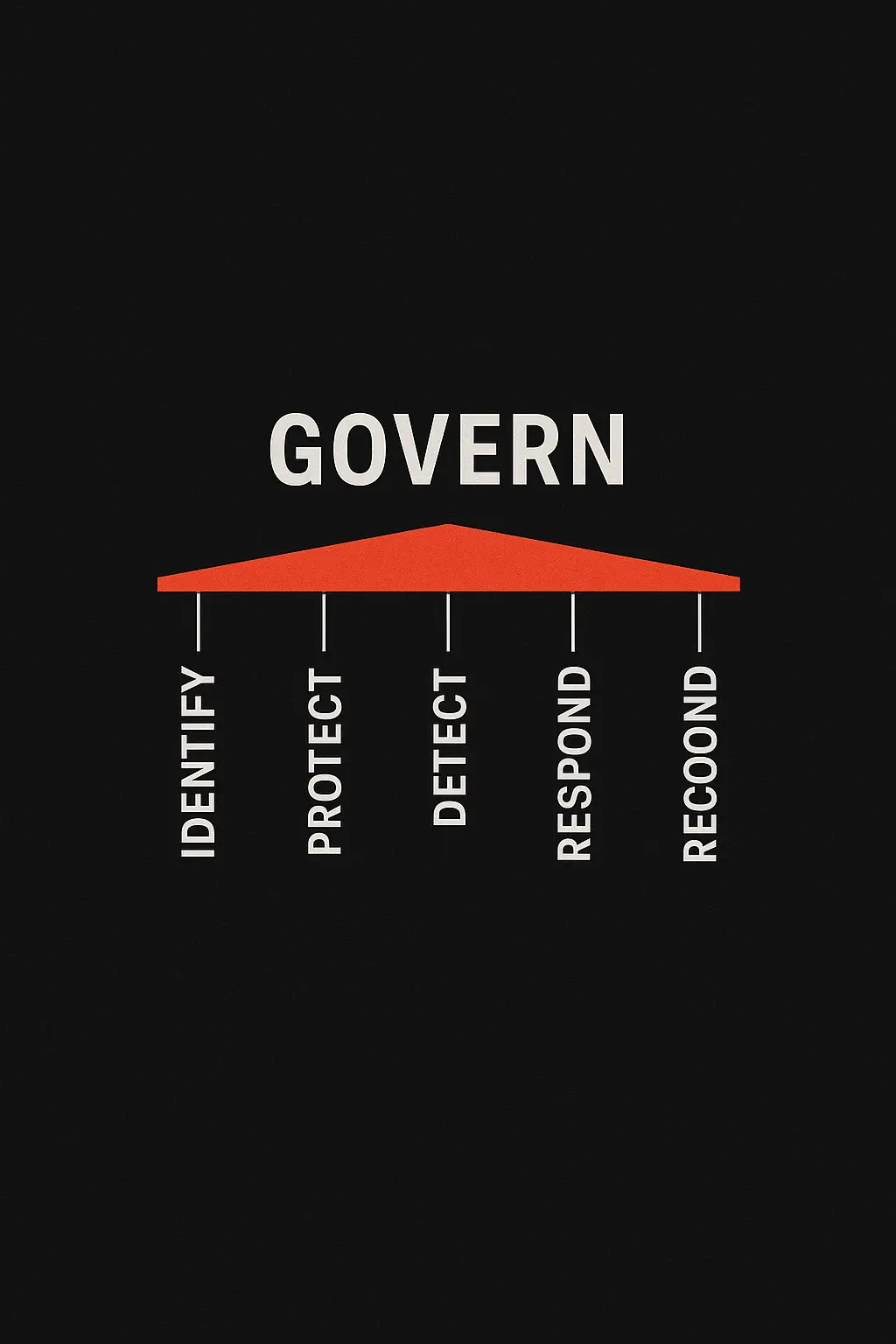
In February 2024, the National Institute of Standards and Technology (NIST) released the Cybersecurity Framework (CSF) 2.0. While it may have seemed like an incremental update to some, this new version introduces a monumental shift that fundamentally changes how we should design and build security programs. The most critical change is the addition of a sixth core function: Govern. This isn’t just a new category for compliance checklists; it’s an architectural revolution. By elevating governance to the same level as the original five functions—Identify, Protect, Detect, Respond, and Recover—NIST has formally acknowledged a truth that many security architects have known for years: technical controls alone are insufficient. Without a robust framework of governance, our security efforts lack direction, authority, and strategic alignment. ...

August 6, 2025 · 5 min · Sammy Farida ·  ·