Agent Skills: The New Supply Chain Attack Vector

Introduction AI agent skills promised to revolutionize productivity—plug-and-play instructions that let your agents book meetings, query databases, or access 1Password vaults. These modular capabilities, distributed through marketplaces like ClawHub and OpenClaw, offer the same convenience that npm and PyPI brought to software development. Organizations rushed to adopt these skills, integrating them into workflows with minimal vetting, trusting the marketplace ecosystem to ensure quality and security. But research reveals a darker reality: 36% of skills in these marketplaces contain vulnerabilities, and hundreds harbor active malicious payloads. Unlike traditional software supply chain attacks that target static packages, agent skills operate dynamically at runtime, executing natural language instructions that evade conventional security tools. This new attack vector combines the weaponization potential of software supply chain compromises with the unique exploitability of AI systems, creating a threat landscape that defenders are only beginning to understand. ...

March 1, 2026 · 10 min · Sammy Farida ·  · 

Sigma Rules Decoded: Building Effective Threat Detection at Scale

Sigma Rules Decoded: Building Effective Threat Detection at Scale Every SOC leader I’ve spoken with says the same thing: we’ve spent millions on SIEM, yet attackers still slip through. The missing link? Detection engineering as a discipline. With threats evolving faster than ever, detection stands as the first line of reliable defense. Yet despite significant investment in Security Information and Event Management (SIEM) platforms, many organizations still struggle to implement detection rules that actually catch attackers. The gap isn’t in the technology, it’s in the implementation. ...

September 21, 2025 · 9 min · Sammy Farida ·  · 

From Blind Spots to Insights: The CDM Revolution

From Blind Spots to Insights: The CDM Revolution In the complex world of cybersecurity, traditional point-in-time security assessments have become dangerously insufficient. Organizations receive a “clean bill of health” that offers false comfort right up until the inevitable breach occurs. The harsh reality? These breaches often exploit vulnerabilities that existed during the last assessment that gave the all-clear. Continuous Diagnostics and Mitigation (CDM) is emerging as the solution to this fundamental flaw in our security approach. By shifting from intermittent testing to constant visibility, CDM aligns with NIST frameworks to provide actionable insights in real-time, preventing the most common enterprise security blind spots that lead to devastating breaches. ...

September 19, 2025 · 8 min · Sammy Farida ·  · 

SolarWinds: Supply Chain Trust Betrayal

SolarWinds: The Supply Chain Attack That Rewrote Trust In December 2020, cybersecurity professionals worldwide faced a sobering reality: one of the most sophisticated supply chain attacks ever seen had been silently compromising organizations for months. The SolarWinds breach wasn’t just another headline, it represented a fundamental shift in how we must think about security architecture and trust relationships in the software supply chain. The attack revealed a devastating vulnerability in how organizations implicitly trust software from vendors, particularly updates and patches. By poisoning legitimate software at its source, attackers bypassed traditional defenses and gained privileged access to thousands of organizations, including multiple U.S. government agencies and Fortune 500 companies. This incident forces us to reconsider our security architecture principles for an era where trust itself has become weaponized. ...

August 26, 2025 · 8 min · Sammy Farida ·  · 

From Engineer to Business Security Partner: Bridging the Technical to Business Gap

From Engineer to Business Security Partner: Bridging the Technical–Business Gap Technical skills alone won’t get you into leadership. Many brilliant engineers master firewalls, clouds, and malware, but still wonder why their recommendations don’t get funded. The blocker isn’t skill, it’s translation. If your message lands as CVEs and controls while the business speaks in customers, revenue, and runway, the best architecture in the world won’t get funded. This post builds on my recent LinkedIn reflection with a deeper dive into how to shift from technical expert to trusted business partner. ...

August 25, 2025 · 5 min · Sammy Farida ·  · 

The 15-Minute Incident Response Playbook (Based on NIST)

The 15-Minute Incident Response Playbook In the high-pressure world of cybersecurity, complexity is your enemy. When a security incident strikes, the last thing your team needs is a 70-page incident response plan that causes analysis paralysis. Yet this is precisely the scenario playing out in organizations worldwide – comprehensive documentation that looks impressive during audits but proves unusable during actual crises. This post offers a practical alternative: a streamlined, 15-minute incident response playbook that focuses on essentials while adhering to the trusted NIST framework. The goal is simple: create a playbook that security teams will actually use when seconds count. ...

August 20, 2025 · 6 min · Sammy Farida ·  · 

The PAW Architecture Blueprint

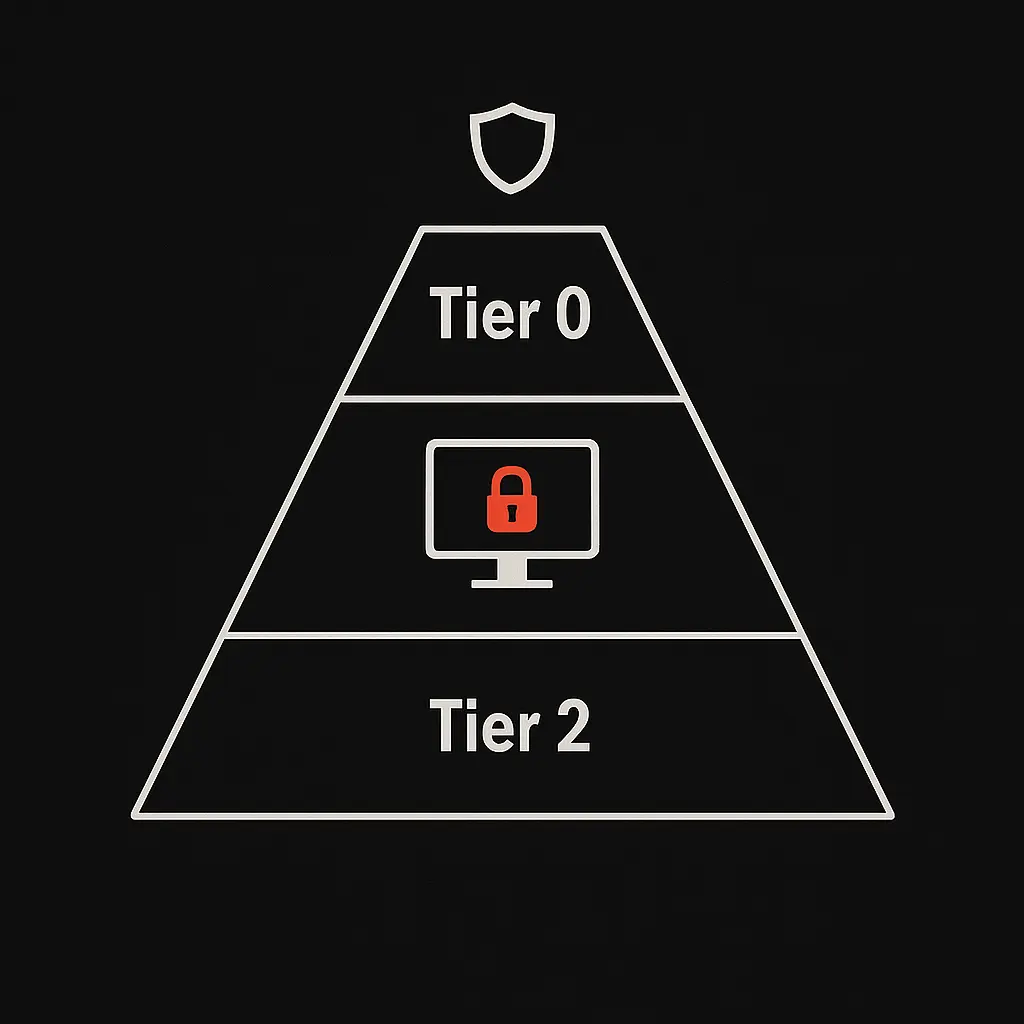
Recent history is littered with high-profile security breaches that share a common, devastating attack vector: the compromise of privileged credentials. Incidents involving Microsoft’s Midnight Blizzard, Snowflake, and Okta’s support system all underscore how attackers target administrative accounts to gain deep, unauthorized access. One architectural decision could have mitigated, or even prevented, a significant percentage of these attacks: the implementation of Privileged Access Workstations (PAWs). PAWs are dedicated, hardened machines used exclusively for sensitive administrative tasks. This model creates a critical “air gap” between high-risk daily activities (like checking email or browsing the web) and the management of critical infrastructure. By isolating privileged sessions, organizations can drastically reduce the attack surface and prevent credential theft, a foundational tactic for lateral movement within a network. This post breaks down the PAW model and its relevance in a modern Zero Trust world. ...

August 19, 2025 · 8 min · Sammy Farida ·  · 

The Duolingo API Security Blunder

In early 2024, the popular language learning platform Duolingo suffered a significant data breach that exposed the details of 2.6 million users. What’s striking about this incident is that it wasn’t the result of a sophisticated, brute-force hack or a zero-day exploit. Instead, it was a classic case of architectural failure, a poorly secured API endpoint that allowed attackers to siphon off user data with alarming ease. This incident serves as a critical case study for developers, architects, and security professionals. It highlights a common mistake many organizations make: underestimating the security risks of seemingly “public” or “harmless” API endpoints. This post will break down what went wrong at Duolingo and outline three fundamental architectural safeguards that could have prevented this breach entirely. ...

August 15, 2025 · 5 min · Sammy Farida ·  · 

Change Healthcare Ransomware Breakdown

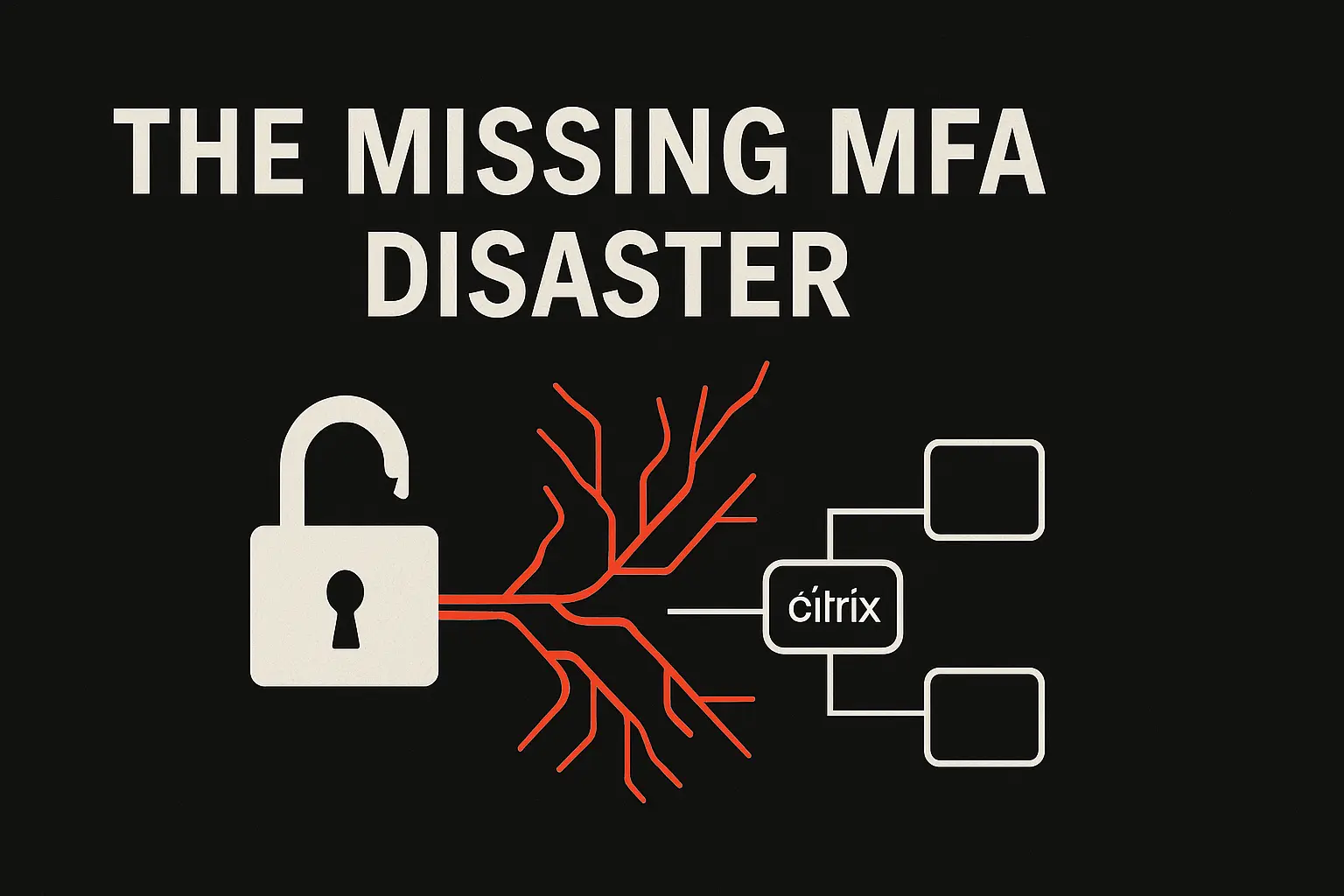
In February 2024, the U.S. healthcare system was rocked by a cyberattack of unprecedented scale. Change Healthcare, a subsidiary of UnitedHealth Group that processes nearly 40% of all U.S. medical claims, was brought to its knees by ransomware. The fallout was catastrophic, disrupting prescriptions, billing, and patient care nationwide. The root cause wasn’t a sophisticated zero-day exploit, but a shocking failure of basic security hygiene: a critical remote-access system lacked multi-factor authentication (MFA). ...

August 13, 2025 · 6 min · Sammy Farida ·  · 

Microsoft's Zero Trust Transformation: A Case Study

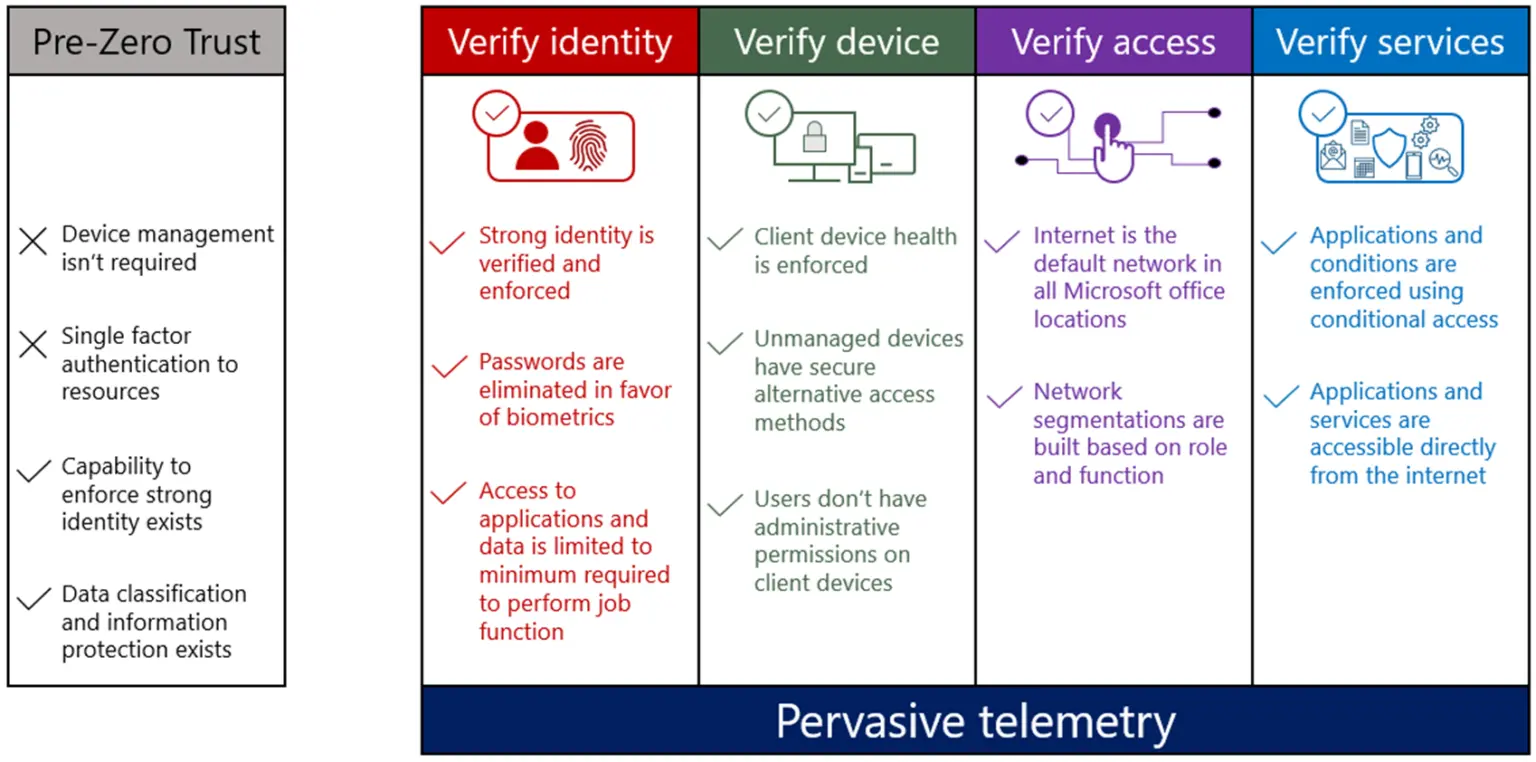
The traditional castle-and-moat approach to network security is failing. For decades, organizations relied on a strong perimeter to keep attackers out, but in an era of cloud computing, remote work, and sophisticated threats, this model is no longer sufficient. Once an attacker breaches the perimeter, they often have free rein to move laterally and access sensitive data. This is where the Zero Trust model comes in—a security framework built on the principle of “never trust, always verify.” ...

August 11, 2025 · 5 min · Sammy Farida ·  ·