The PAW Architecture Blueprint

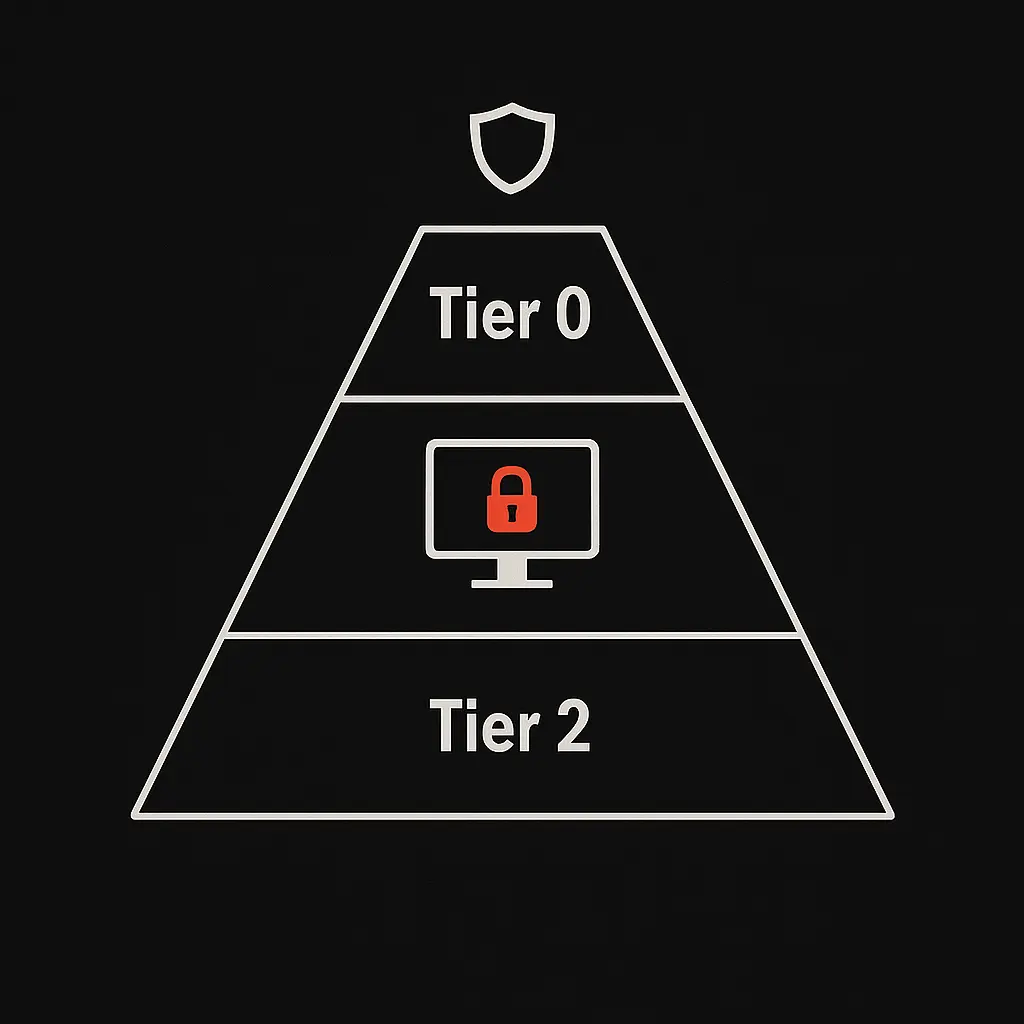
Recent history is littered with high-profile security breaches that share a common, devastating attack vector: the compromise of privileged credentials. Incidents involving Microsoft’s Midnight Blizzard, Snowflake, and Okta’s support system all underscore how attackers target administrative accounts to gain deep, unauthorized access. One architectural decision could have mitigated, or even prevented, a significant percentage of these attacks: the implementation of Privileged Access Workstations (PAWs). PAWs are dedicated, hardened machines used exclusively for sensitive administrative tasks. This model creates a critical “air gap” between high-risk daily activities (like checking email or browsing the web) and the management of critical infrastructure. By isolating privileged sessions, organizations can drastically reduce the attack surface and prevent credential theft, a foundational tactic for lateral movement within a network. This post breaks down the PAW model and its relevance in a modern Zero Trust world. ...
August 19, 2025 · 8 min · Sammy Farida ·  · 

The Duolingo API Security Blunder

In early 2024, the popular language learning platform Duolingo suffered a significant data breach that exposed the details of 2.6 million users. What’s striking about this incident is that it wasn’t the result of a sophisticated, brute-force hack or a zero-day exploit. Instead, it was a classic case of architectural failure, a poorly secured API endpoint that allowed attackers to siphon off user data with alarming ease. This incident serves as a critical case study for developers, architects, and security professionals. It highlights a common mistake many organizations make: underestimating the security risks of seemingly “public” or “harmless” API endpoints. This post will break down what went wrong at Duolingo and outline three fundamental architectural safeguards that could have prevented this breach entirely. ...

August 15, 2025 · 5 min · Sammy Farida ·  · 

Change Healthcare Ransomware Breakdown

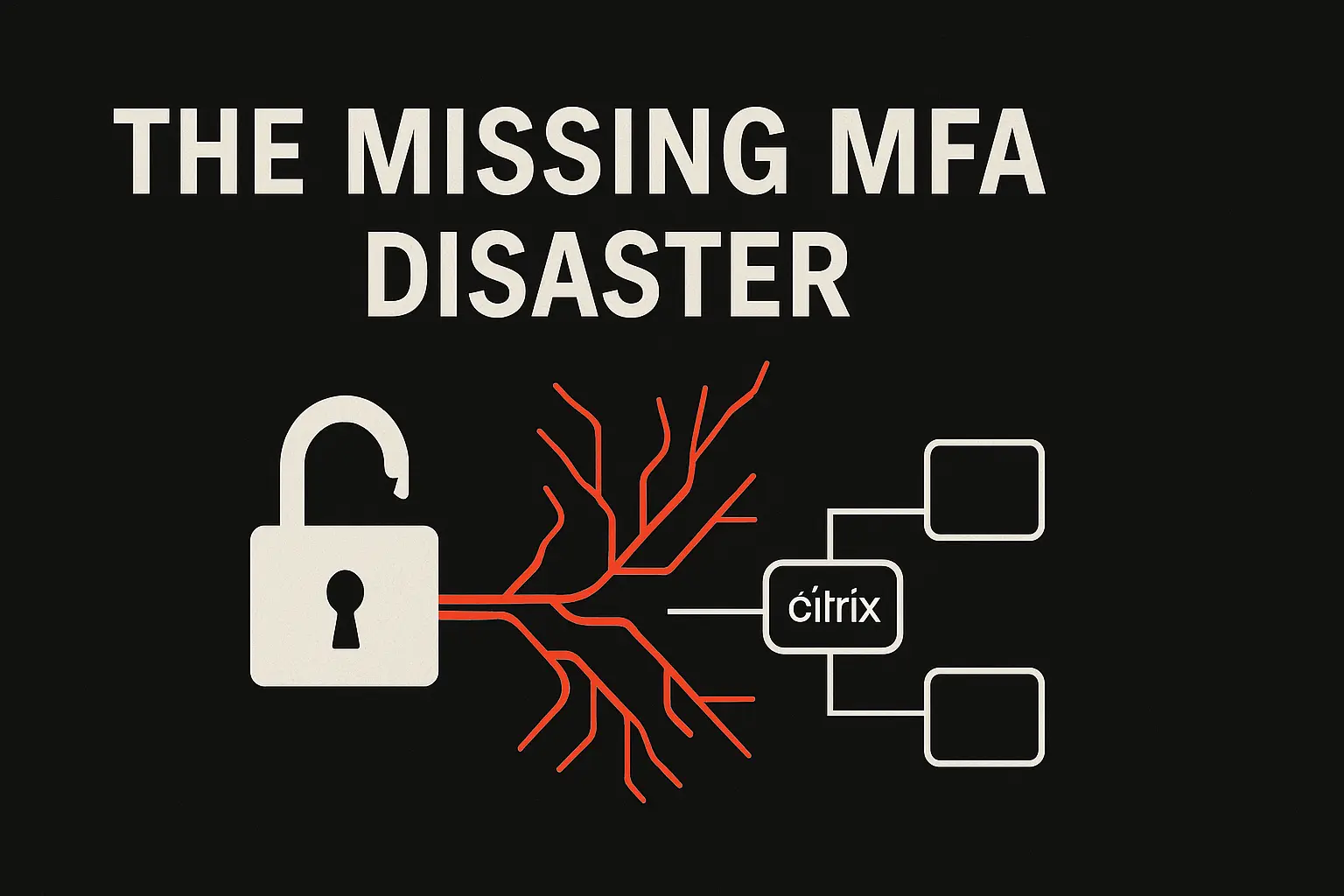
In February 2024, the U.S. healthcare system was rocked by a cyberattack of unprecedented scale. Change Healthcare, a subsidiary of UnitedHealth Group that processes nearly 40% of all U.S. medical claims, was brought to its knees by ransomware. The fallout was catastrophic, disrupting prescriptions, billing, and patient care nationwide. The root cause wasn’t a sophisticated zero-day exploit, but a shocking failure of basic security hygiene: a critical remote-access system lacked multi-factor authentication (MFA). ...

August 13, 2025 · 6 min · Sammy Farida ·  · 

Microsoft's Zero Trust Transformation: A Case Study

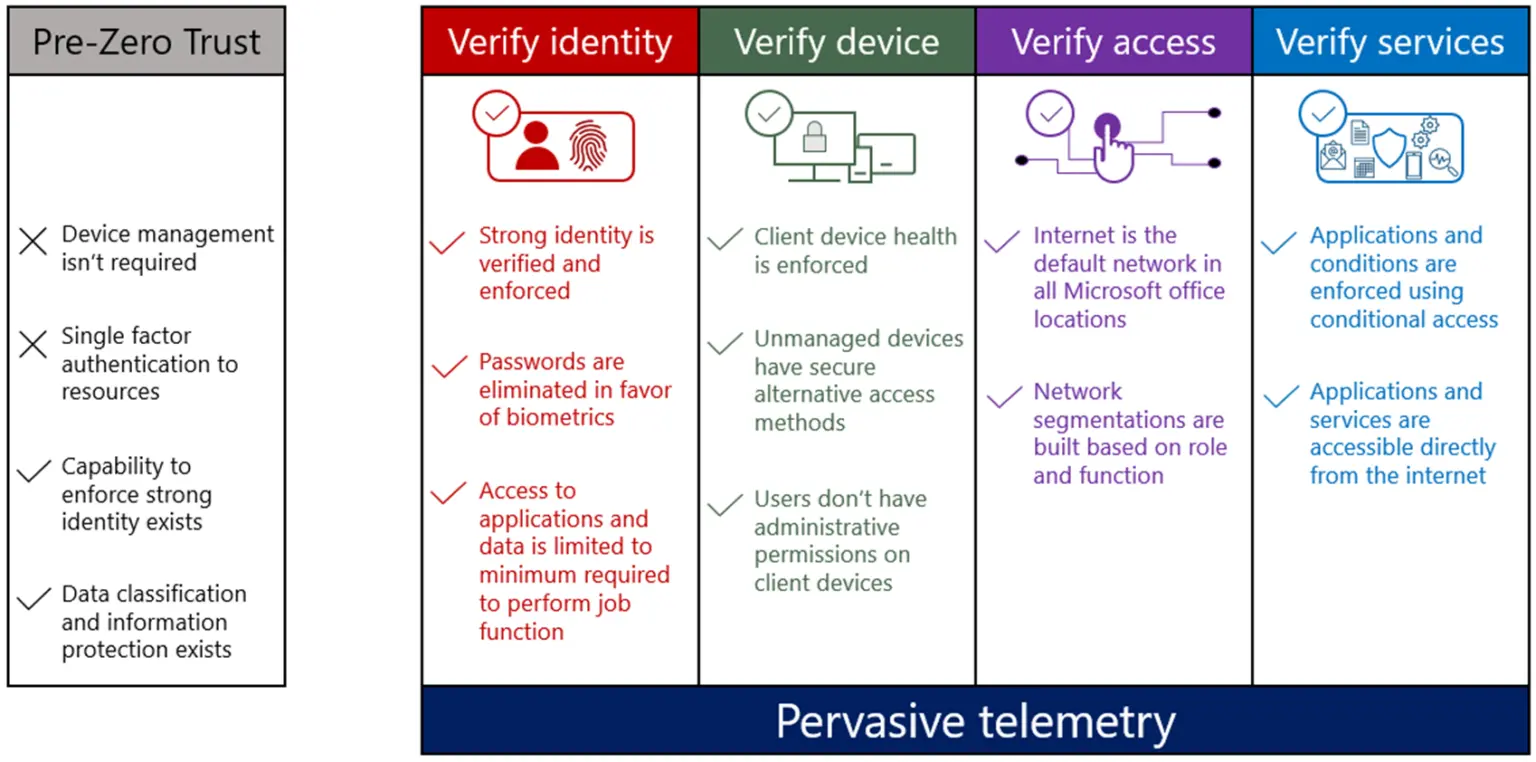
The traditional castle-and-moat approach to network security is failing. For decades, organizations relied on a strong perimeter to keep attackers out, but in an era of cloud computing, remote work, and sophisticated threats, this model is no longer sufficient. Once an attacker breaches the perimeter, they often have free rein to move laterally and access sensitive data. This is where the Zero Trust model comes in—a security framework built on the principle of “never trust, always verify.” ...

August 11, 2025 · 5 min · Sammy Farida ·  ·