Deep dives, case studies, and practical guides on cybersecurity, Zero Trust, DevSecOps, AI security, and homelab projects.
This blog features in-depth security case studies, architectural breakdowns, and hands-on guides. Recent posts cover high-profile incidents like the Duolingo API breach, Change Healthcare ransomware, and Microsoft’s Zero Trust transformation, as well as practical frameworks like NIST CSF 2.0, MITRE D3FEND, and macOS enterprise hardening. You’ll also find explorations of AI security hype, cryptography, microsegmentation, and passwordless authentication.
The 15-Minute Incident Response Playbook (Based on NIST)
The 15-Minute Incident Response Playbook In the high-pressure world of cybersecurity, complexity is your enemy. When a security incident strikes, the last thing your team needs is a 70-page incident response plan that causes analysis paralysis. Yet this is precisely the scenario playing out in organizations worldwide – comprehensive documentation that looks impressive during audits but proves unusable during actual crises.
This post offers a practical alternative: a streamlined, 15-minute incident response playbook that focuses on essentials while adhering to the trusted NIST framework. The goal is simple: create a playbook that security teams will actually use when seconds count.
...
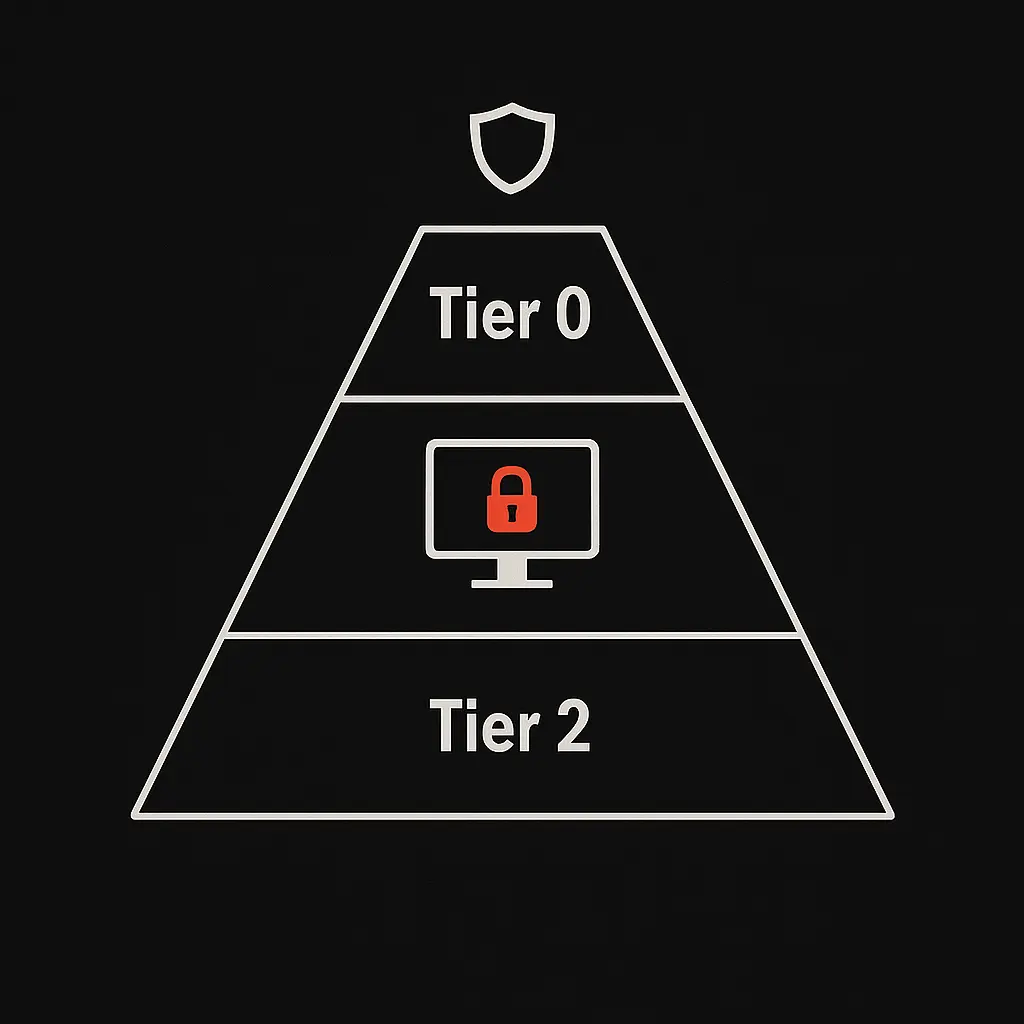
The PAW Architecture Blueprint
Recent history is littered with high-profile security breaches that share a common, devastating attack vector: the compromise of privileged credentials. Incidents involving Microsoft’s Midnight Blizzard, Snowflake, and Okta’s support system all underscore how attackers target administrative accounts to gain deep, unauthorized access. One architectural decision could have mitigated, or even prevented, a significant percentage of these attacks: the implementation of Privileged Access Workstations (PAWs).
PAWs are dedicated, hardened machines used exclusively for sensitive administrative tasks. This model creates a critical “air gap” between high-risk daily activities (like checking email or browsing the web) and the management of critical infrastructure. By isolating privileged sessions, organizations can drastically reduce the attack surface and prevent credential theft, a foundational tactic for lateral movement within a network. This post breaks down the PAW model and its relevance in a modern Zero Trust world.
...
The Duolingo API Security Blunder
In early 2024, the popular language learning platform Duolingo suffered a significant data breach that exposed the details of 2.6 million users. What’s striking about this incident is that it wasn’t the result of a sophisticated, brute-force hack or a zero-day exploit. Instead, it was a classic case of architectural failure, a poorly secured API endpoint that allowed attackers to siphon off user data with alarming ease.
This incident serves as a critical case study for developers, architects, and security professionals. It highlights a common mistake many organizations make: underestimating the security risks of seemingly “public” or “harmless” API endpoints. This post will break down what went wrong at Duolingo and outline three fundamental architectural safeguards that could have prevented this breach entirely.
...
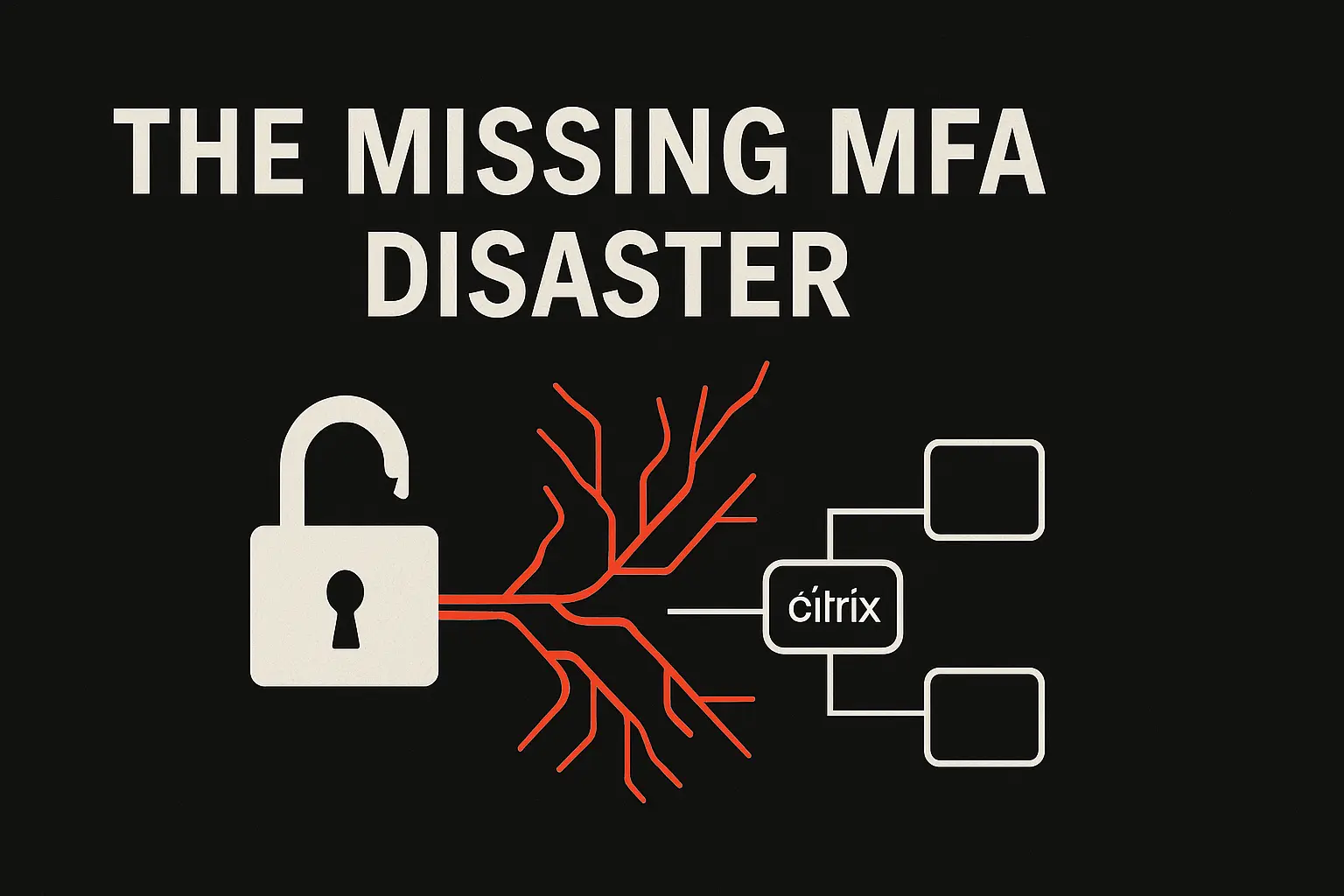
Change Healthcare Ransomware Breakdown
In February 2024, the U.S. healthcare system was rocked by a cyberattack of unprecedented scale. Change Healthcare, a subsidiary of UnitedHealth Group that processes nearly 40% of all U.S. medical claims, was brought to its knees by ransomware. The fallout was catastrophic, disrupting prescriptions, billing, and patient care nationwide. The root cause wasn’t a sophisticated zero-day exploit, but a shocking failure of basic security hygiene: a critical remote-access system lacked multi-factor authentication (MFA).
...
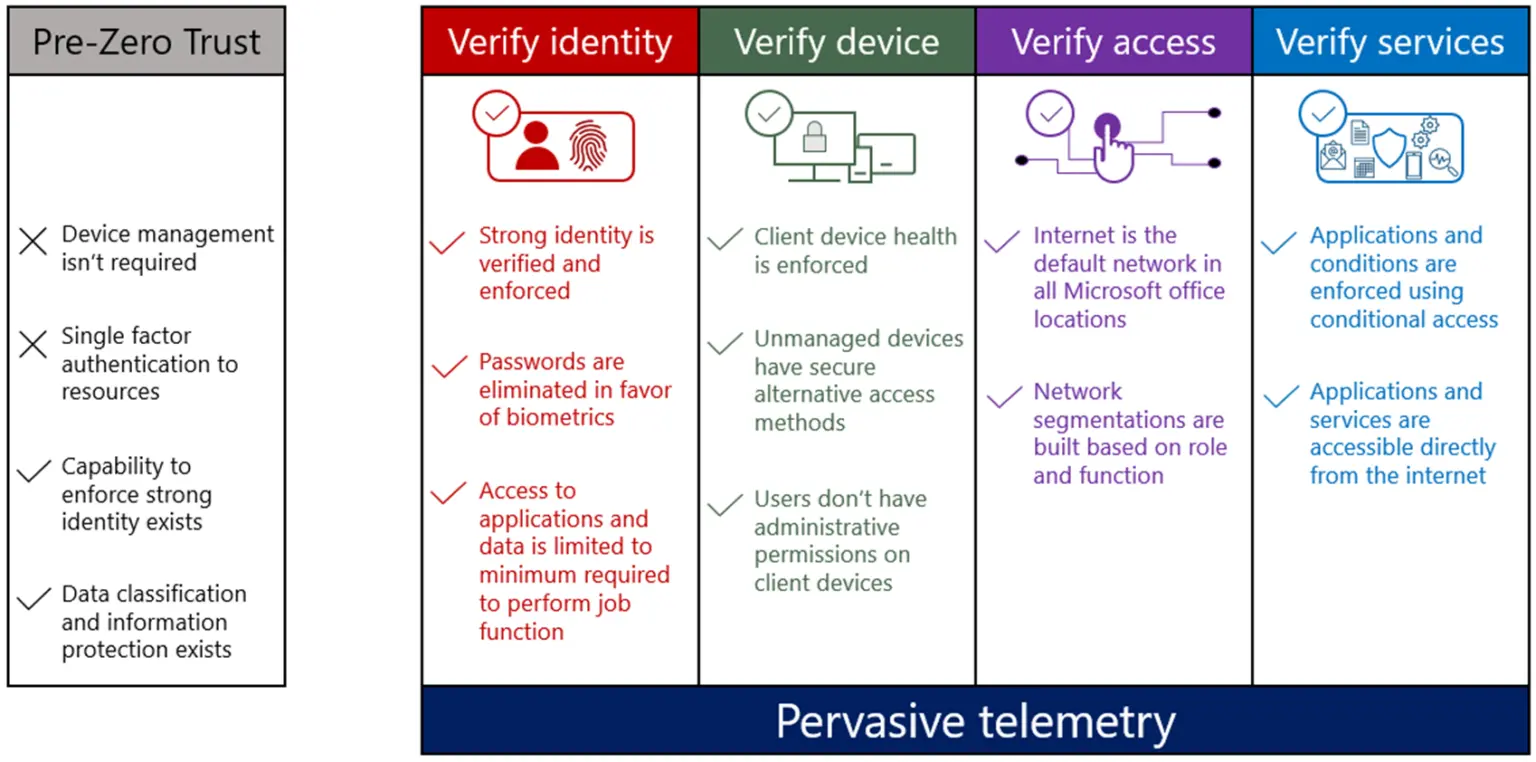
Microsoft's Zero Trust Transformation: A Case Study
The traditional castle-and-moat approach to network security is failing. For decades, organizations relied on a strong perimeter to keep attackers out, but in an era of cloud computing, remote work, and sophisticated threats, this model is no longer sufficient. Once an attacker breaches the perimeter, they often have free rein to move laterally and access sensitive data. This is where the Zero Trust model comes in—a security framework built on the principle of “never trust, always verify.”
...
MITRE D3FEND: Bridging Attack & Defense
In the world of cybersecurity, the MITRE ATT&CK framework is a household name. It provides an extensive, curated knowledge base of adversary tactics and techniques based on real-world observations. Blue teams and security architects use it to understand how attackers operate, build threat models, and guide their detection strategies. But there’s a critical question that ATT&CK helps you ask, but doesn’t explicitly answer: “We’ve detected this technique… now what?”
This is where many security teams hit a wall. They have impressive detection capabilities and can identify adversary behavior with precision, but they struggle to connect those detections to concrete, effective defensive actions. This is the gap that MITRE D3FEND was created to fill. It’s the defensive counterpart to ATT&CK, designed to close the loop between threat identification and mitigation.
...
The Silent Crypto Crisis
Your encryption is only as strong as your key management. In the world of cybersecurity, we invest millions in state of the art encryption technologies, yet many organizations routinely undermine these defenses with alarmingly poor key management practices. This isn’t a theoretical vulnerability; it’s a silent crisis that has contributed to some of the most significant data breaches in recent history.
As a critical component of the CISSP Security Engineering domain, cryptographic key management deserves more than a passing glance. It is the foundation upon which data confidentiality and integrity are built. When this foundation cracks, the entire security structure can collapse, no matter how advanced the encryption algorithms are. This post explores why key management fails and provides a practical framework to fix it.
...
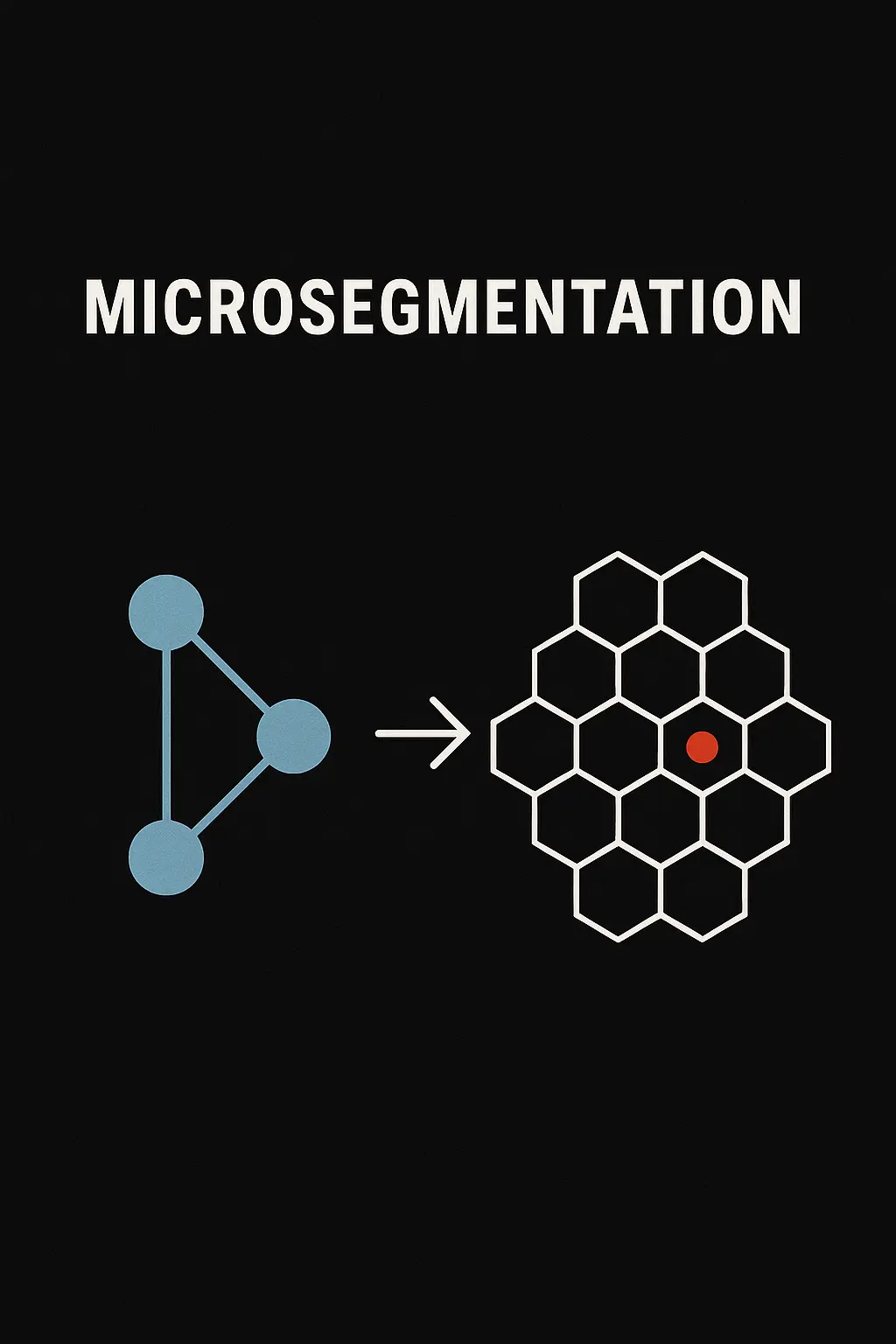
The Microsegmentation Imperative
In the ever-evolving landscape of cybersecurity, one of the most persistent challenges is containing an attacker after the initial breach. The headlines are filled with stories of minor intrusions escalating into catastrophic data breaches. The common thread? Unfettered lateral movement. While many organizations have robust perimeter defenses, a shocking 95% are missing a critical internal control: microsegmentation.
This isn’t just another buzzword; it’s a fundamental shift in how we approach network security and a cornerstone of any effective Zero Trust architecture. As part of the CISSP’s Communication and Network Security domain, understanding and implementing microsegmentation is no longer optional, it’s an imperative for survival in the modern threat environment.
...
AI Security Snake Oil: Seeing Through the Hype
Introduction In the race to innovate, the term “AI” has become the ultimate buzzword in cybersecurity. Vendors are scrambling to label their products as “AI-powered,” promising revolutionary threat detection and autonomous response. But beneath the slick marketing, a troubling trend has emerged: AI washing. This practice of making exaggerated or misleading claims about AI capabilities is creating a dangerous illusion of security.
This post challenges security leaders to look past the marketing jargon and demand evidence-based solutions. We’ll explore the reality behind these so-called AI tools and provide a practical framework for separating genuine innovation from the new digital snake oil.
...
NIST CSF 2.0: An Architectural Revolution
In February 2024, the National Institute of Standards and Technology (NIST) released the Cybersecurity Framework (CSF) 2.0. While it may have seemed like an incremental update to some, this new version introduces a monumental shift that fundamentally changes how we should design and build security programs. The most critical change is the addition of a sixth core function: Govern.
This isn’t just a new category for compliance checklists; it’s an architectural revolution. By elevating governance to the same level as the original five functions—Identify, Protect, Detect, Respond, and Recover—NIST has formally acknowledged a truth that many security architects have known for years: technical controls alone are insufficient. Without a robust framework of governance, our security efforts lack direction, authority, and strategic alignment.
...